

Early Japanese life and culture after the sixth century AD was heavily influenced by Chinese and Indian religion and philosophies, Buddhism, Confuscianism and Taoism although Buddhism has traditionally occupied the mainstream of Japanese thought. Japanese history has gone through the phases of feudalism, family wars, the rise of the Samurai, central Government and the rule of the Emporer commencing with Emporer Yuryaku in the fifth century. Japan operates now as a stable democracy and Japan’s first woman Prime Minister, Sanae Takaichi was elected just before we arrived. Coincidence? Through all this time Buddhism has played a major role in national politics. The Japanese thought that national peace and security came through the power of Buddhism is called the “making a country safe” thought. Alongside Shinto, the indigenous religion, Buddhism is reflected in all aspects of Japanese life including the arts, architecture and political life. The tea ceremony and Japanese gardens exist to reflect the Buddhist principles of harmony and tranquility. Why is this important to me now? Well as a sudden, last minute, scrambling afterthought we ended up for two weeks in Japan. Not planned or budgeted for it nevertheless seemed a trip that we couldn’t turn down. Our Sydney daughter and family had a trip planned and we were invited as a late add on. If you haven’t travelled with your grandchildren I highly recommend it. Ours are teenage and near teenage and do have some travel nouse but their enthusiasm for new things was invigorating to an “oldie”.

We flew into Osaka from Cairns after dumping Mr. Gato D.U. in the airport carpark, arriving at Osaka Kanza Airport in the early evening. Three hours later after a terminal shuffle in the immigration line we emerged from the airport at 10.30pm and after finding and enjoying a train ride we made our hotel around midnight. Dinner plans were out the window but thank God for 7-Eleven. This convenience store outlet which is found throughout Japan is a cornucopia of food, drink, wine and beer. Everything from fruit, vegetables, sandwiches, sushi, bento boxes, confectionery, fried foods, coffee, smoothies and anything else you can think of is available. The bonus is that it is well priced and very tasty. Drinks are interesting. A smoothie is provided as a cup of fruit and syrup which you purchase then put into a machine to mix into the smoothie we know and love. Similarly coffee which is purchased as a basic coffee or latte mix from the freezer, the top ripped off then run through the coffee machine emerging as a steaming cup of your favourite beverage. It takes some working out but once sorted it is a quick fix when a cafe is out of the question. As the name suggests the stores are 24 hour and there happened to be one on the fourth floor of our hotel. Late dinner and breakfast solved. BTW the chicken sandwiches are just delicious.
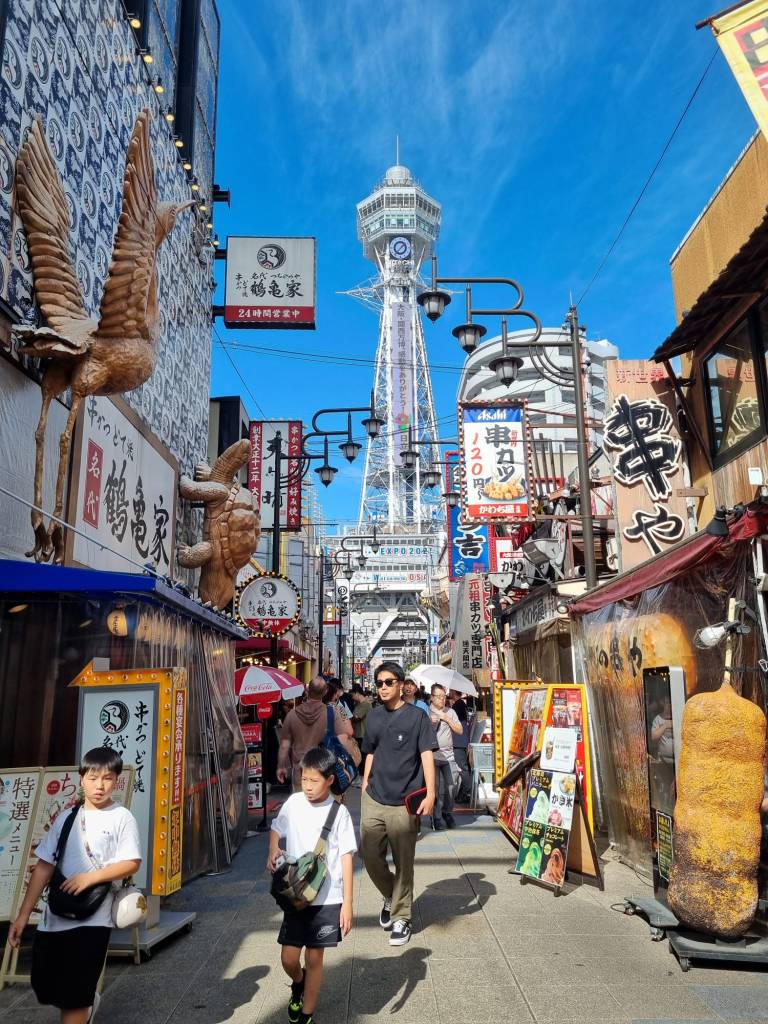
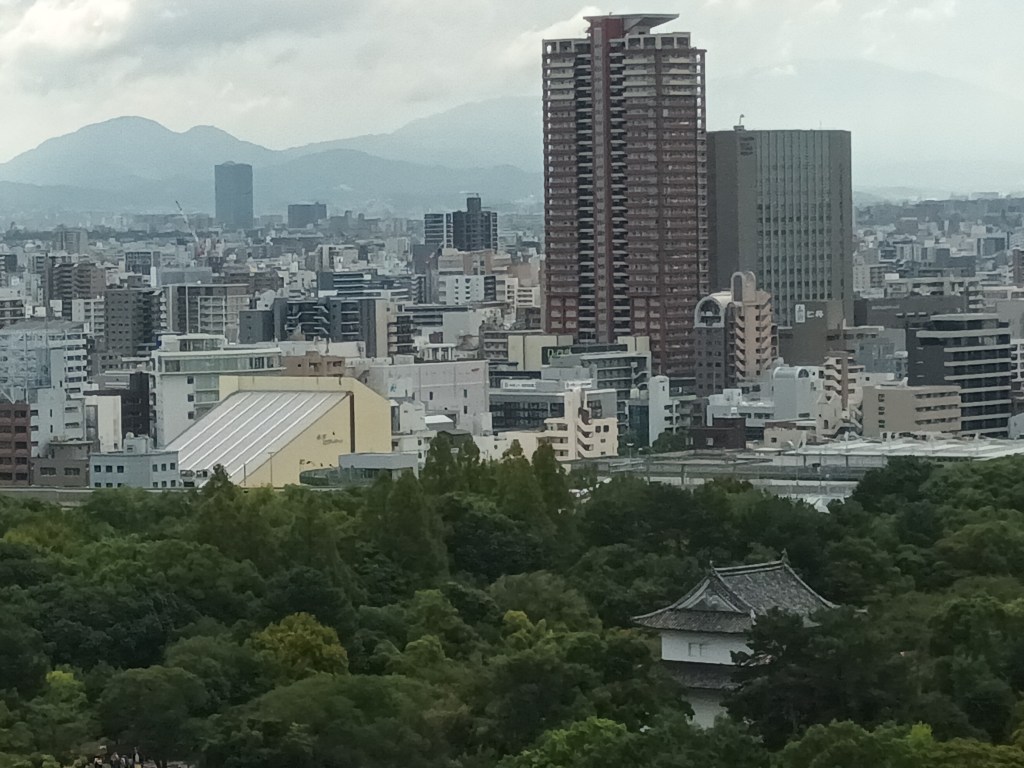
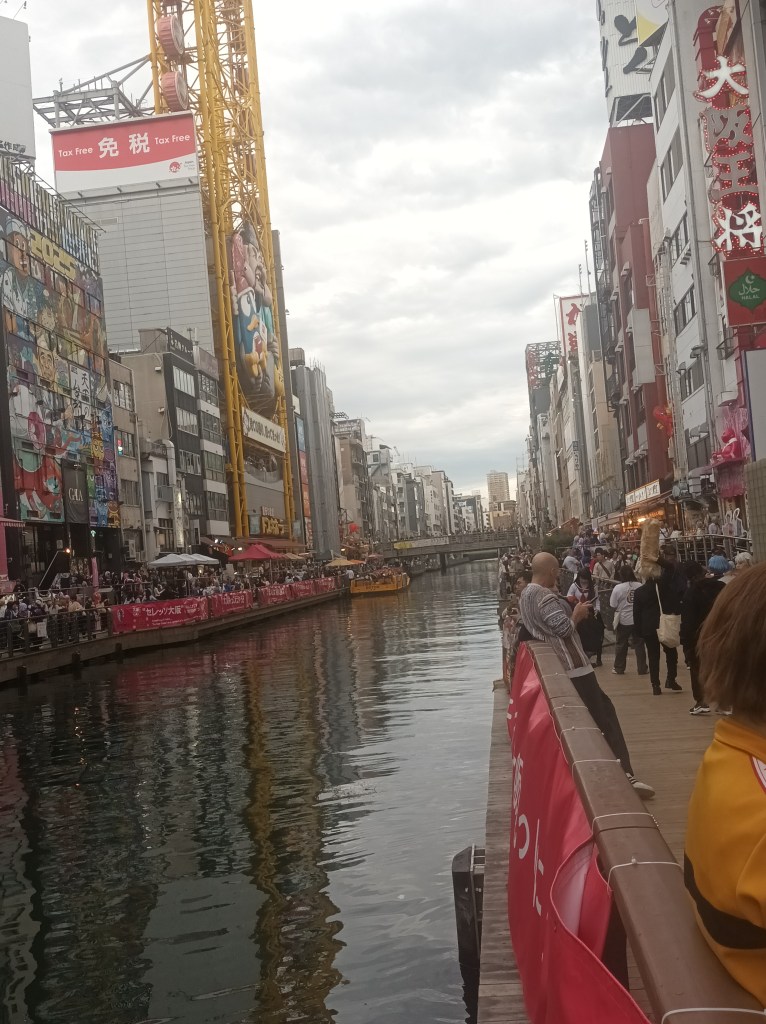
Osaka on Honshu Island is the second largest city in Japan after Tokyo. And a centrepiece of the city is Osaka Castle. The castle played a major role in unifying the country after it was built in 1583 by the general Toyotomi Hydeyoshi. Hydeyoshi had effectively subdued all other clans and destroyed many of the castles in Japan. Thus the centre of power in the country was established in Osaka which was the original capital of Japan. The castle sits on 15 acres and is fortified with thick stone walls and surrounded by a moat. It reflects the Japan of this era and is well worth a visit. We spent time at Shitennoji Temple, one of the oldest Buddhist temples in Japan and which dates from 593. There are many small temples dotted along the roadsides in Japan and it is common to see local adherents washing hands, ringing the bell, lighting incense sticks, clapping and bowing at the temple front. We spent time and the evening in the Shinsekai District. It is really the tourist nightlife area and is dominated by the 103 metre high Tsutenkaku Tower which is loosely based on the Eiffel Tower in Paris. The Tosabori River runs on the edge of the Shinsekai District and is lined by restaurants bars and shopping outlets. It is a delight to sit on the side of the river watching the tourist boats and snack on wagyu and chicken skewers whilst drinking whisky highballs. Beer and whisky (cocktails) are the common drink offered along, of course with numerous different brands of sake, the Japanese rice wine. An acquired taste in my opinion. Wine is sometimes hard to find in the small restaurants and snack bars. Thank goodness for 7-Eleven. Osaka is also the home of Japan’s Universal Studios and Asahi Brewery although while we were there the brewery had just experienced a cyber attack and brewing had been stopped. Could have been a disaster.
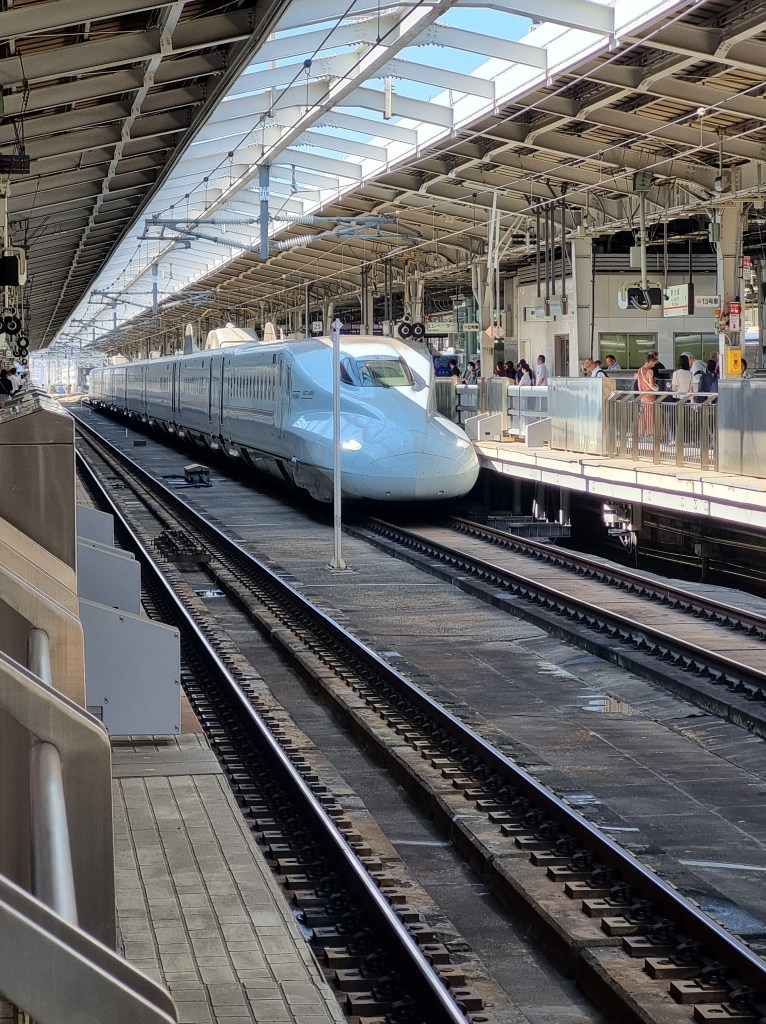
One of the delights of travelling in Japan is the transport system. It reflects the general psyche of the country. The trains, buses and metro run on time to the second. If you are not standing in front of your train well before its appointed departure time you are late. There are no thirty second last minute rushes to get to the train before the doors close. It will be gone.. On time. I love it. And the respect and manners shown by all ages is a delight. No standing in the aisles or pathways, no rushing the doors and definitely no eating, smoking or drinking (alcohol that is) in the street or on transport. No one pushes past you, no one dives for a seat before looking around to see if there is a more deserving candidate. Politeness is a virtue and observed everywhere. It may be surface deep but it is a pleasure to be around and such a contrast to the obnoxious behavior we so often observe elsewhere. Japanese people are helpful and it makes travelling in their country easy and pleasant. Though this observance of the rules can be taken to absurdity. The grandson had bought a ticket for the metro in Tokyo. we had erred and bought one a stop short. The barriers flashed red when he tried to exit and we were called aside to remedy the problem. Ten minutes later we had repurchased the proper ticket and made up for the ten yen shortfall – the equivalent of ten cents. I guess if you want order then you suffer the consequences of being disorderly. Nevermind – we were soon on the Shinkansen to Tokyo. This is the high speed rail network known as the bullet train. It is comfortable (absolutely no mobile phone talking), popular and fast. We left exactly on time, we arrived exactly on time.
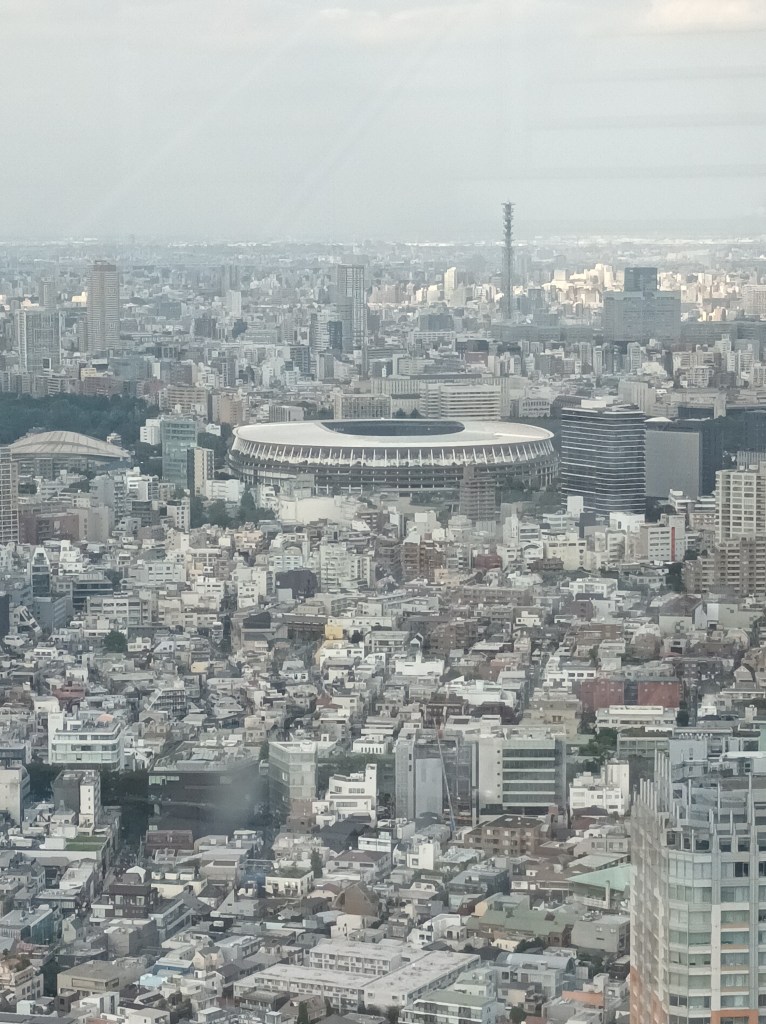
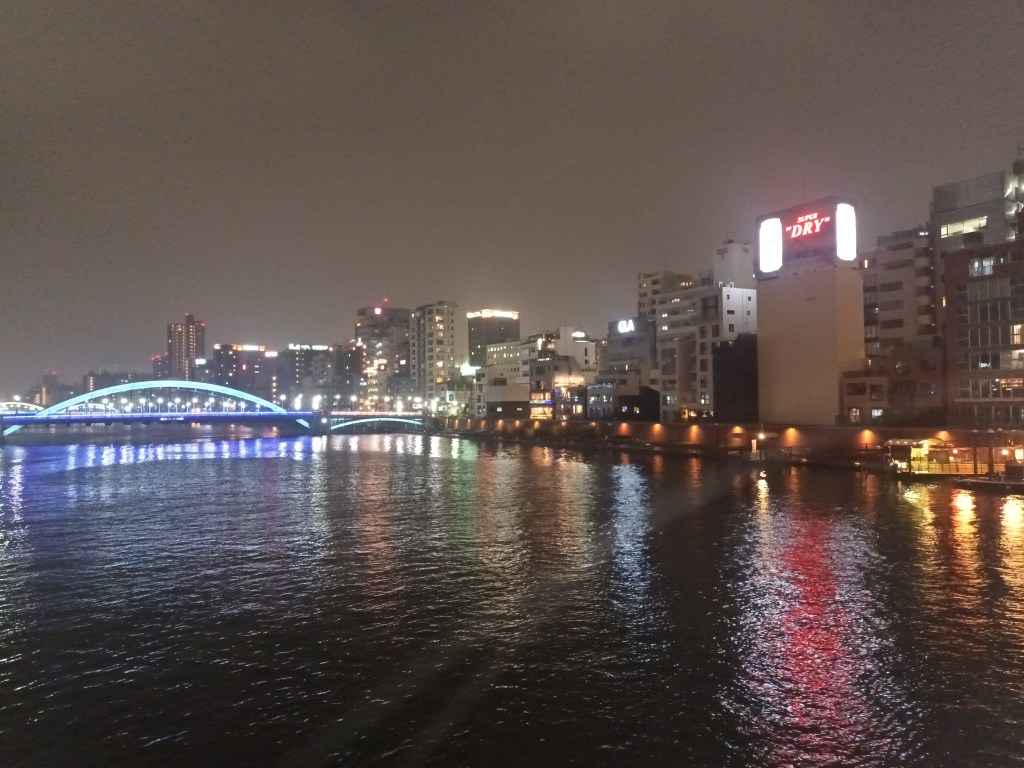
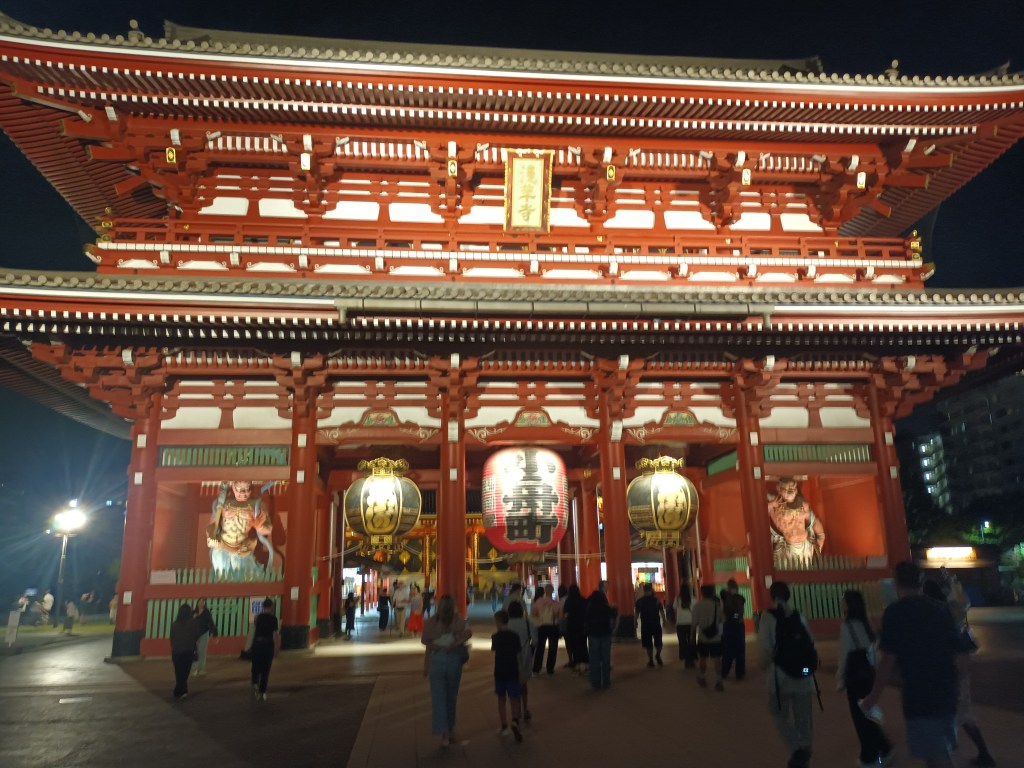
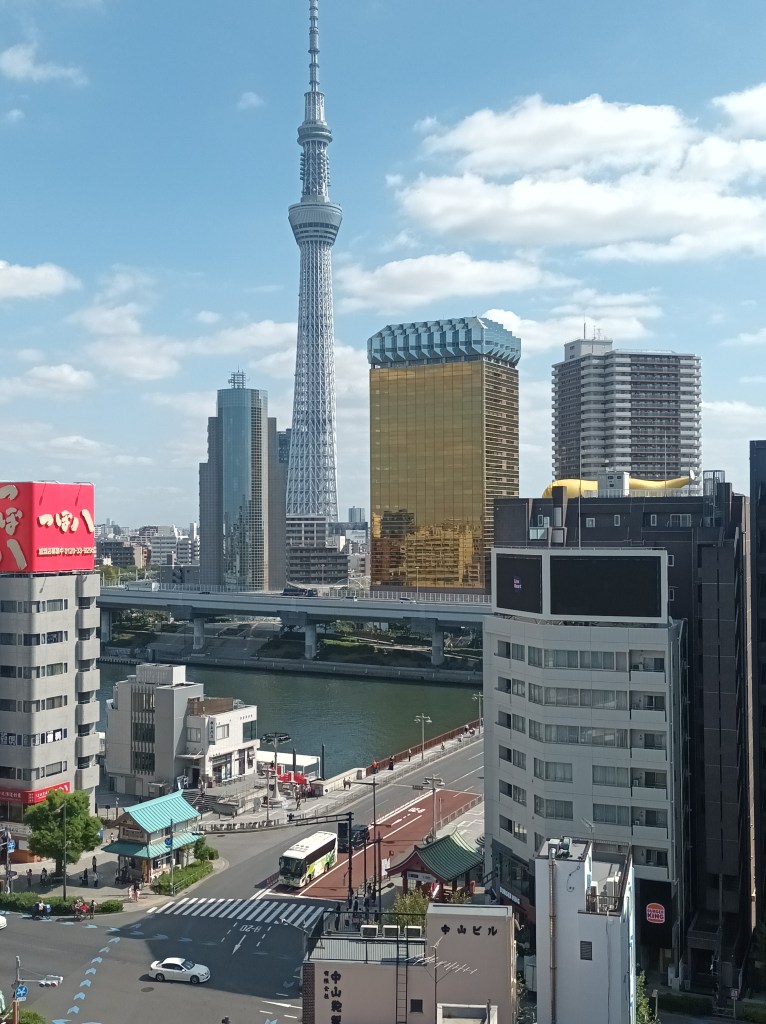
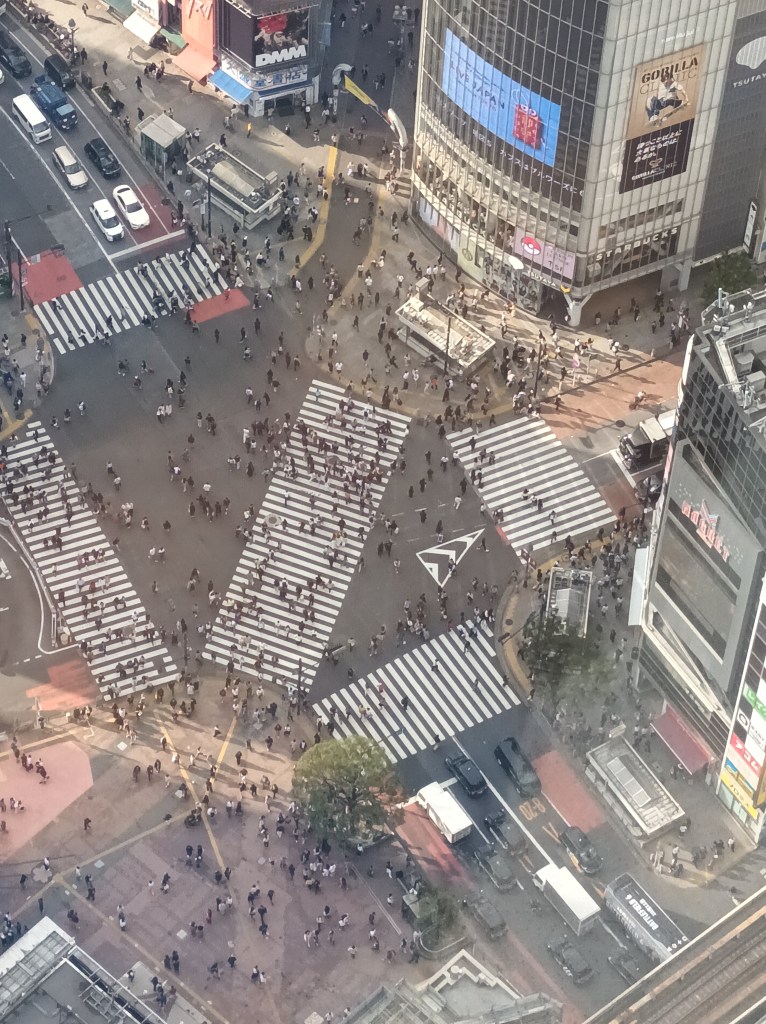
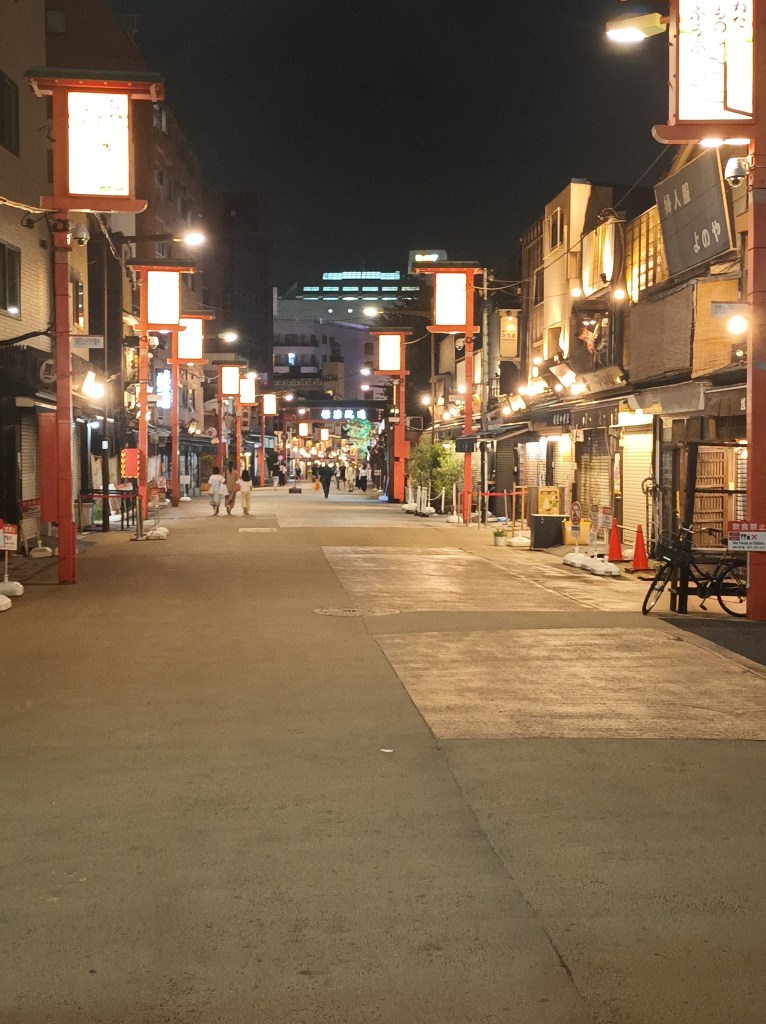
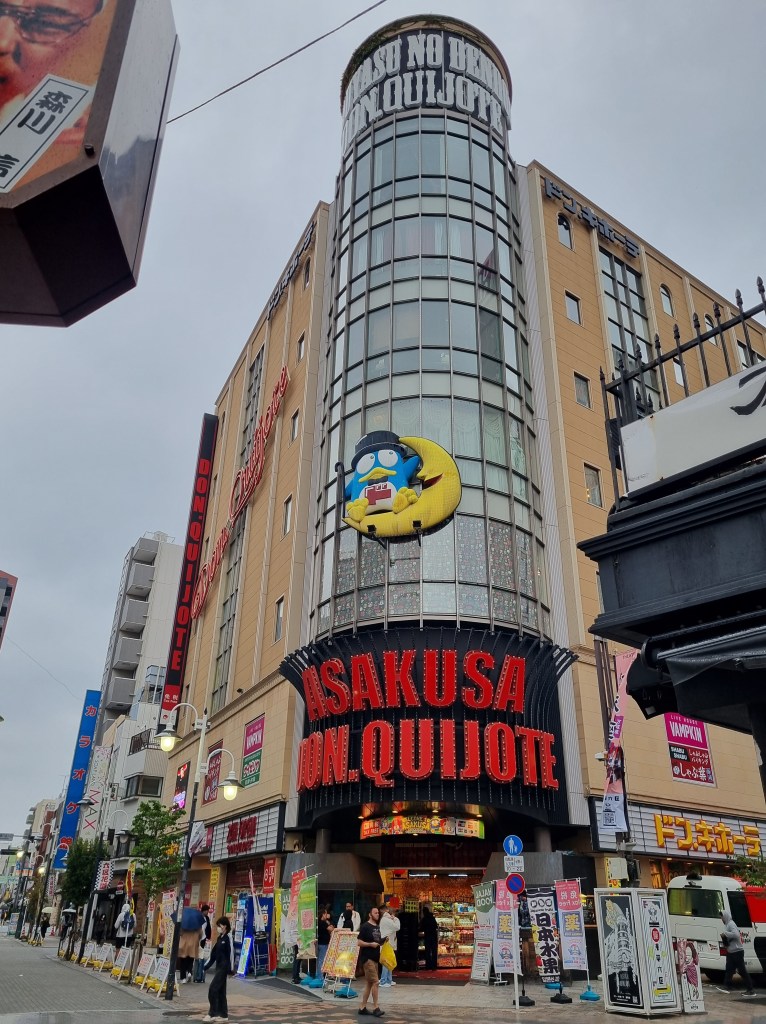
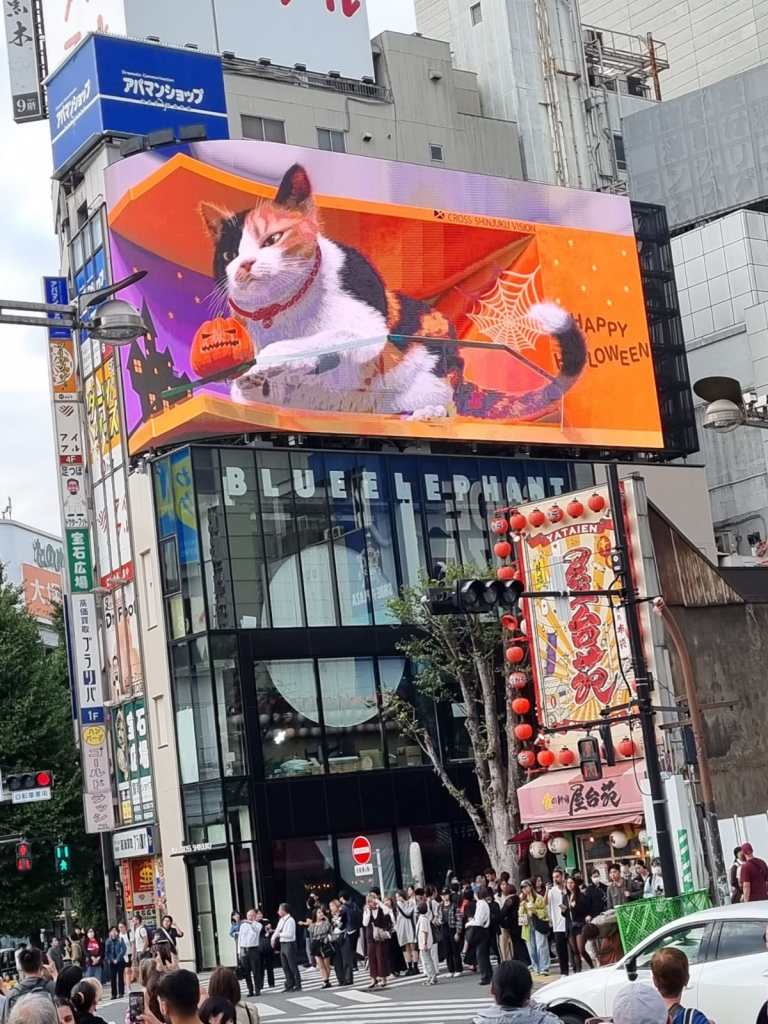
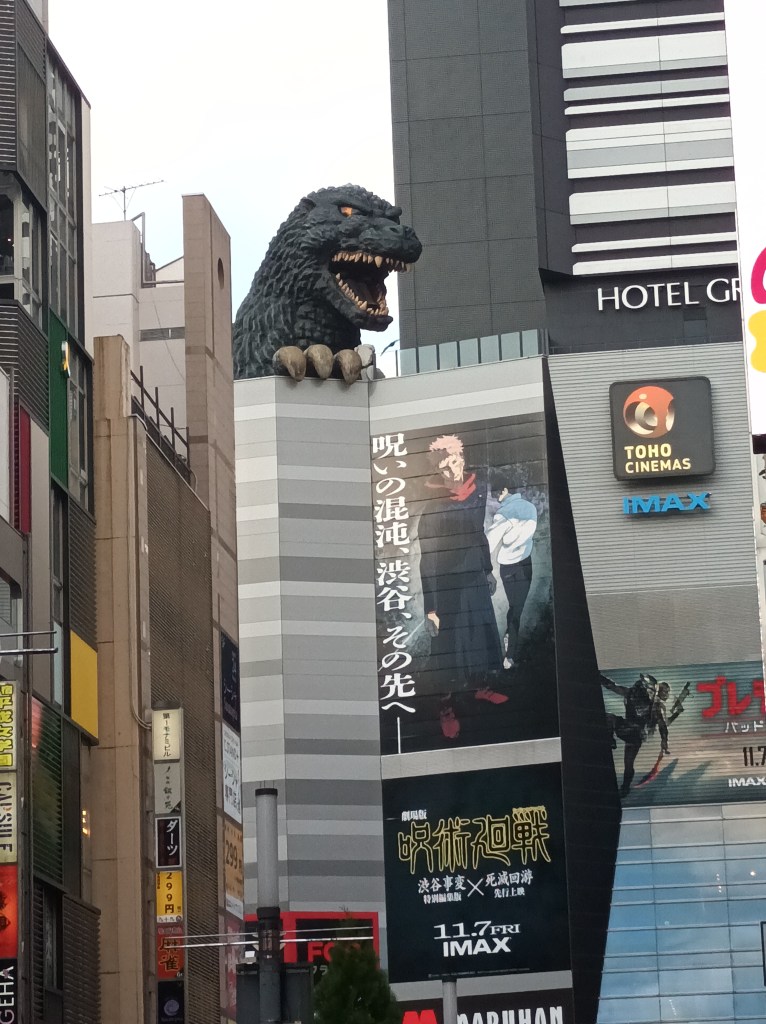
We had changed our hotel booking in Tokyo from the popular Shibuya to the Asakusa District. Thank goodness we did. Shibuya is the loud, touristy district with the red light quarter and very colourful. Great for a visit and shopping. Asakusa is quieter, laid back and smaller but with lots of eating and tourist options, the Senso-ji temple and the Sumida River with a nice walk alongside.. There are two large shopping centres in the middle of the tourist district – the Asakusa Rox and the Don Quixote (don’t ask me). Interestingly we had changed our mind on Shibuya when we learnt that the main metro station had 200 exits. It just seemed too intimidating. We chose right and the five days we spent in Tokyo were wonderful. It is a vibrant city, easy enough to traverse and so much to do for the tourist. On day one the others had a day at Disney World while Scout and I relaxed and looked around Asakusa and settled into the apartment we had booked at KOKO, a five minute walk to the centre of the district. We spent a morning at Team Lab Planets, apparently the world’s most visited tech museum (apparently). This place is just a whirlwind of light, colour, water and plants set out so that you work your way through the various exhibits performing tasks both physical and mental and at one stage walking through running water. It is exciting, challenging and calming all at the same time. In short it is too difficult to describe accurately – so see Team Lab Planets. We ascended Tokyo Tower and Tokyo SkyTree which is the world’s tallest tower at 634 metres. Unfortunately, Mt. Fuji was a misty conical smudge in the distance that day (and most days apparently) but we had a great view over Tokyo including not far away the Chichibunomiya Stadium where the Wallabies were due to play Japan in a few days. Tokyo is a large metropolitan area of 14.25 million people so there is a lot of building. But dotted among these are the parks and temples that were so obvious from our view way up in the sky.
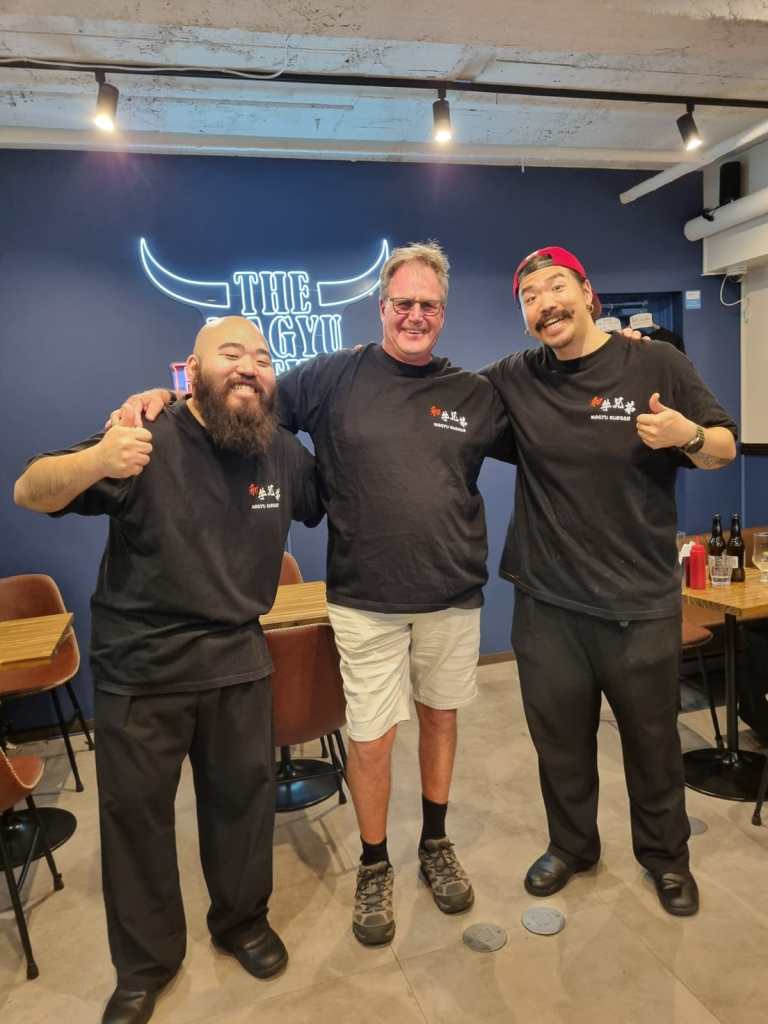

Eating in Japan is an experience. We were a group of six so at times it was hard to find sufficient seating in the small sidewalk restaurant bars that excel in the Japanese cuisines of tempura, yakatori (bbqed skewered chicken), soba noodles, gyoza, tonkatsu (pork cutlets), ramen, sukiyaki (stewed meat and vegetables), the wagyu and kobe beef bars and of course the ubiquitous sushi. The streets are lined with restaurants many of which are really just small bars with a few tables serving one food type. We found a wonderful restaurant called Gonpachi on the river which specialised in soba noodles and watched the performance as the noodles were hand made. Everything is great eating. But sometimes one just craves a burger. There are international chains and KFC is here, but we found “The Wagyu Brothers”. Tucked up on a side street, second floor and catering for about 20 people this place was a real find. The burgers are, as the name suggests made from the softest wagyu beef, large and absolutely delicious washed down with a local beer or wine. As it turns out the boys aren’t brothers but great fun and, whilst a little dearer than a Big Mac, the best burgers in the world. I thought The Wagyu Brothers summed up Tokyo for us. The city is a crowded place of international shopping, popular and interesting tourist sights and cultural significance that also offers the gentle intimate touch of two young men creating a small part of the city that is fun, great eating and allows people an hour or so away from the tourist hustle and bustle. So good.
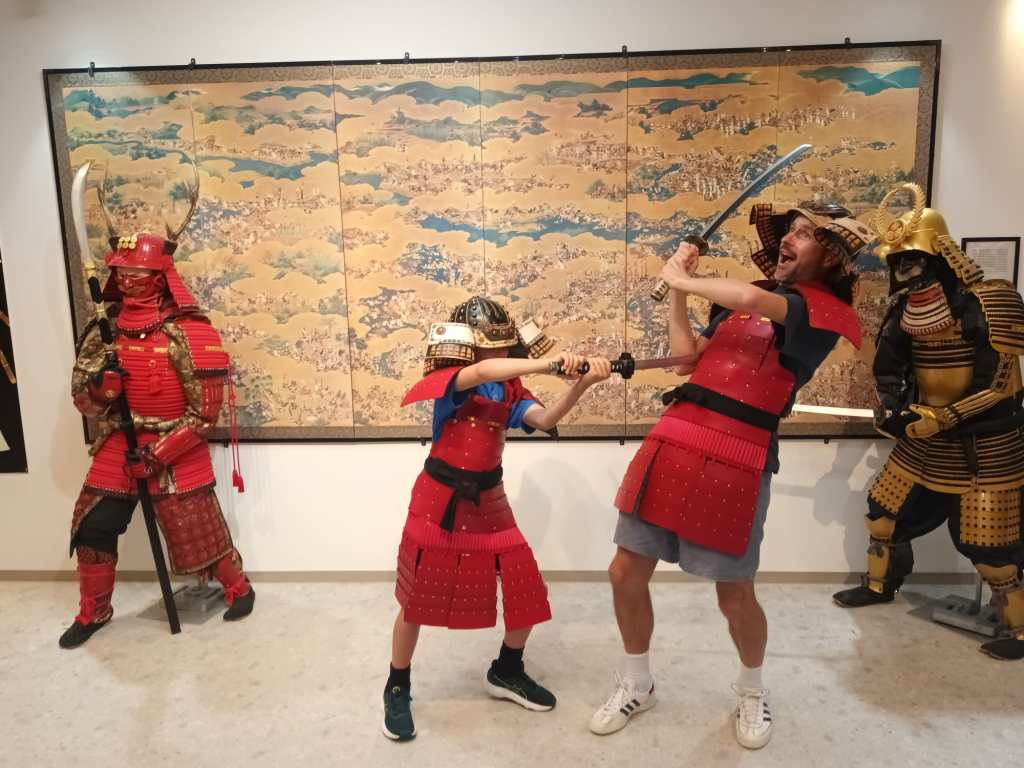
Our final visit was the Samurai and Ninja Museum. Again interesting and obviously full of history. And I am not saying that because I came third in the shuriken or ninja star throwing competition. The samurai were a warrior class that emerged in Japan during the late 12th century, playing a crucial role in Japan’s military and political history until their decline in the late 19th century. The samurai were made up of regional family groups who established a military government – the Shogunate around the powerful Shogun. They were the effective ruling class both militarily and politically and supported the Emperor. One has to be born or marry into a samurai family to be a samurai warrior. The modernisation of Japan in the 19th century and the demise of feudalism saw the downfall of the samurai power and they handed over military power without a fight on formation of a technically superior Japanese army. The Ninja are a different breed. Ninjas came from the farming class and came from the hills and rugged terrain around Kyoto. Thus were developed their ninjutsu skills as spies and in stealth and martial arts as a defence for their family groups in the 11th century when Japan was rife with tribal warfare. Eventually they served the warlords as spies and mercenaries and eventually the Shogunate through the 16th and 17th centuries before their demise in modern Japan. Again Ninjas are strongly family oriented.
Tokyo was delightful, interesting and fun. But it was time for us to be elsewhere – Kanazawa, Kyoto and Hiroshima – all with different attractions.

 Travels With Mr Gato Downunder